Has Hip-Hop Really Lost Its Edge?
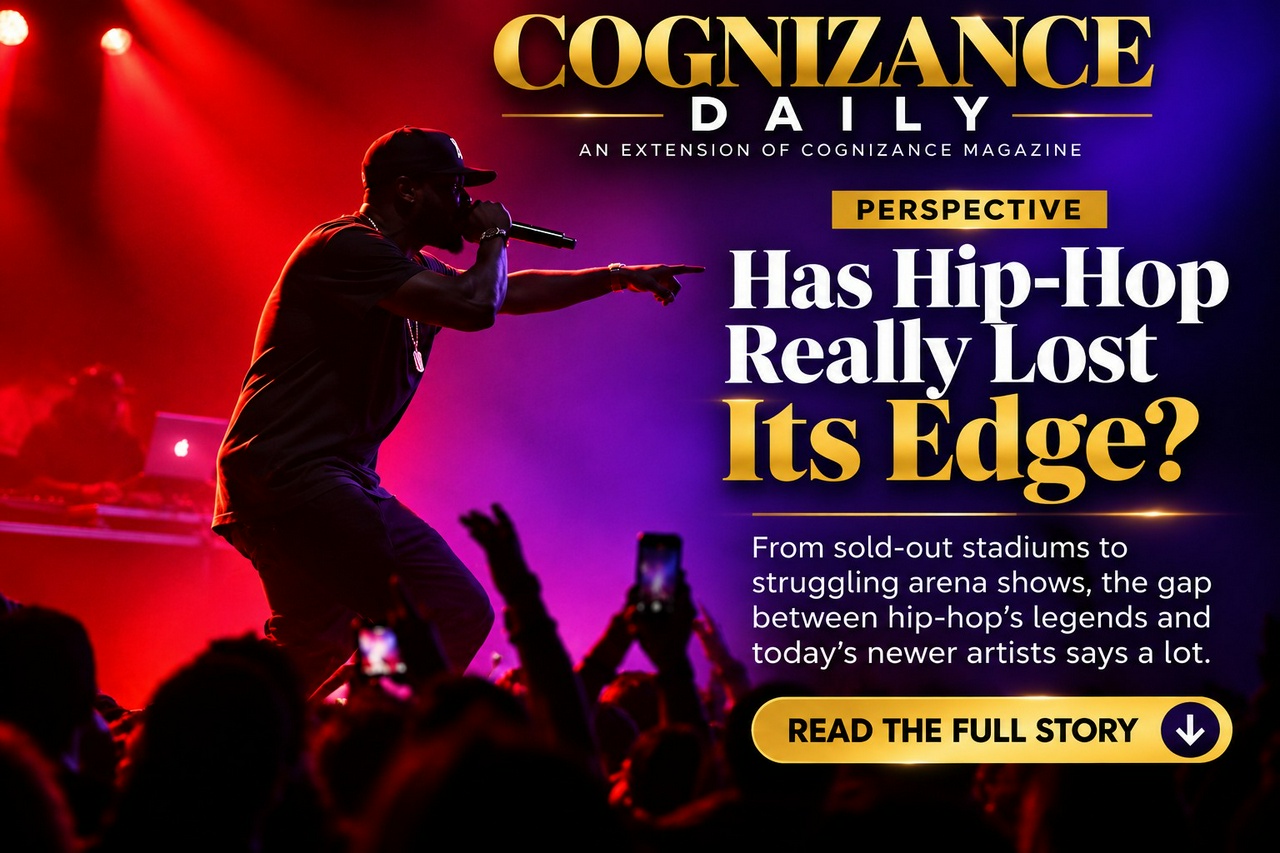
There was a time when hip-hop didn’t just sound different. It felt different. Born at Bronx block parties, it gave people a voice when few others were listening. The beats were raw, the lyrics had something to say, and success wasn't measured in likes or followers.
RUN-D.M.C. helped bring hip-hop into the mainstream, breaking barriers and introducing the culture to a wider audience. Tupac spoke about struggle and injustice, while Nas turned street life into poetry. Public Enemy used their music to challenge the establishment. Biggie, Jay-Z, DMX, and Snoop Dogg each brought their own style, voice, and perspective to hip-hop. These artists weren't just trying to make hits or grab attention. They created music that connected with people, influenced generations, and continues to resonate decades later.
Today, hip-hop remains powerful, but something has changed. Too often, a viral clip or a huge follower count is treated like proof that an artist has made it. I think social media can give newer artists a false sense of how celebrated they really are. Millions might watch a 15-second video, but how many will spend their money on a concert ticket? Followers don't automatically mean ticket sales.
Look at Jay-Z’s recent 30th-anniversary celebration of Reasonable Doubt. His three sold-out July 2026 shows at Yankee Stadium sold 136,934 tickets and reportedly grossed $42.3 million, according to TouringData figures cited by iHeartRadio. The celebration continued with stadium performances in London, Paris, and Los Angeles. HitsDailyDouble described the run as sold out. Thirty years into his career, Jay-Z can still draw stadium crowds.
Kanye West is another example of hip-hop’s lasting appeal. In November 2026, he reportedly set a U.S. rap concert attendance record at AT&T Stadium in Texas, selling more than 83,000 tickets. His success shows that established artists can still attract massive audiences’ decades into their careers. Meanwhile, some newer rappers with enormous online followings struggle to translate that attention into arena demand. Defector’s 2024 reporting on the debate around Sexyy Red’s tour showed how complicated that comparison can be: online claims of poor sales need evidence, not just screenshots or rumors.
Even the concert industry recognizes the distinction. A 2025 Pollstar analysis found that social-media growth can help predict ticket-sales growth, but online attention is only part of the picture. People still have to care enough about the music and the performer to show up.
That doesn't mean this generation lacks talent. J. Cole, Tyler, the Creator, GloRilla and others have shown that hip-hop can still be thoughtful, creative and exciting. But building a career takes more than trending for a weekend. It takes memorable songs, strong performances and a real connection with fans.
So, has hip-hop lost its edge? I don't think so. But somewhere along the way, the industry started confusing visibility with loyalty. A million followers may make an artist look like a superstar. A room full of paying fans tells a different story. Hip-hop's edge is still there. The challenge is making music that lasts longer than the next scroll.
Sources: iHeartRadio (Oct. 13, 2026), citing TouringData; HitsDailyDouble (Oct. 26, 2026); Defector (July 11, 2024); Pollstar (Feb. 7, 2025).
PERSPECTIVE
Cognizance Daily Staff
Enjoying Cognizance Daily? Subscribe free to Cognizance Magazine for more stories, interviews, and updates.